
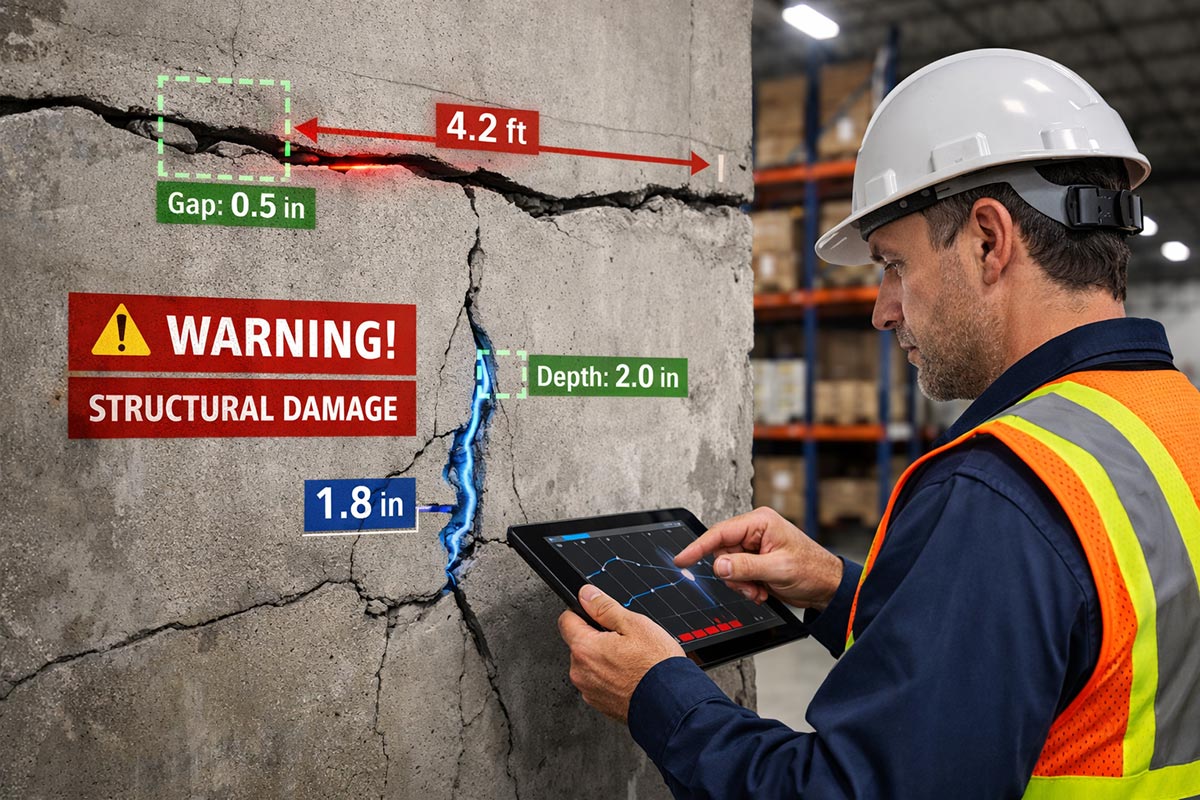
In India’s rapidly evolving urban landscape, where aging infrastructure meets aggressive real estate expansion, structural safety has become a critical concern. From commercial complexes to industrial facilities and high-density fulfillment centers, ensuring the integrity of buildings is no longer optional—it is a regulatory and operational necessity. This is where a structural audit report plays a central role.
A structural audit is not merely a technical inspection; it is a systematic evaluation of a building’s health. The report generated from this audit serves as a formal document that identifies risks, assesses structural stability, and recommends corrective measures. For businesses, especially those operating in high-load environments, this report becomes a decision-making tool that directly impacts safety, compliance, and long-term asset value.
What is a Structural Audit Report?
A structural audit report is a comprehensive document prepared after assessing the condition of a building or structure. It evaluates the strength, durability, and safety of structural components such as beams, columns, slabs, and foundations.
Unlike routine maintenance checks, a structural audit goes deeper. It identifies hidden vulnerabilities—corrosion in reinforcement, cracks due to settlement, material degradation, or load-induced stress. The report translates these technical findings into actionable insights.
In sectors like warehousing, logistics hubs, and quick commerce fulfillment centers, where heavy storage loads and constant operational activity are common, structural audits become even more critical.
Why the Format of the Report Matters
A well-structured report is essential for clarity, compliance, and execution. Regulatory authorities, insurers, and facility managers rely on standardized formats to interpret findings efficiently.
An unstructured or vague report can lead to:
- Misinterpretation of risks
- Delayed corrective actions
- Compliance issues during inspections
- Increased liability in case of failure
A professionally prepared structural audit report ensures that every stakeholder—from engineers to business owners—understands the condition of the building and the urgency of required actions.
Key Sections in a Structural Audit Report
While formats may vary slightly depending on the scope and regulatory requirements, a robust structural audit report typically includes the following key components:
1. Executive Summary
This section provides a concise overview of the audit findings. It highlights:
- Overall structural condition
- Major risks identified
- Urgency level of repairs
For decision-makers, this is the most critical section, as it presents a quick snapshot without going into technical depth.
2. General Information of the Structure
This section documents basic details such as:
- Location of the building
- Year of construction
- Type of structure (RCC, steel, composite)
- Usage (commercial, industrial, warehouse, etc.)
Understanding the building’s background helps contextualize the findings and assess age-related deterioration.
3. Scope of Audit
Clearly defining the scope avoids ambiguity. This section specifies:
- Areas inspected
- Structural elements covered
- Testing methods used (visual inspection, non-destructive testing, etc.)
It also clarifies any limitations, such as inaccessible areas or restricted zones.
4. Methodology and Testing
A credible report must explain how the audit was conducted. This includes:
- Visual inspection procedures
- Non-destructive tests (NDT) like rebound hammer test, ultrasonic pulse velocity test
- Material sampling (if applicable)
This section builds technical credibility and ensures transparency in the assessment process.
5. Observations and Findings
This is the core of the report. It provides detailed observations such as:
- Cracks in beams, columns, or slabs
- Signs of corrosion in reinforcement
- Water seepage or leakage issues
- Deflection or deformation in structural elements
Each observation is typically supported by photographs and location references, making it easier to identify problem areas.
6. Structural Analysis (if applicable)
In some cases, especially for critical or high-risk structures, analytical verification is performed. This may include:
- Load calculations
- Stability checks
- Stress analysis
This section determines whether the structure can safely handle current or increased loads.
7. Risk Assessment
Based on the findings, risks are categorized, often as:
- Minor (routine maintenance required)
- Moderate (repair needed within a defined timeline)
- Severe (immediate action required)
This classification helps prioritize actions and allocate resources effectively.
8. Recommendations
This section outlines corrective measures, such as:
- Repair techniques (crack filling, grouting, jacketing)
- Retrofitting solutions
- Load restrictions or operational changes
Clear, practical recommendations are essential to ensure that the report leads to actionable outcomes rather than remaining a static document.
9. Conclusion
The conclusion summarizes the structural condition and reinforces the urgency of recommended actions. It may also state whether the building is:
- Safe for continued use
- Safe with repairs
- Unsafe and requires immediate intervention
10. Annexures
Supporting documents are included here, such as:
- Photographs
- Test reports
- Drawings or sketches
- Calculation sheets
These annexures provide technical depth and validation for the report’s conclusions.
Relevance for Commercial and Industrial Facilities
In operational environments like warehouses and fulfillment centers, structural failure can lead to more than just physical damage. It can disrupt supply chains, halt operations, and cause significant financial losses.
High rack loads, dynamic material handling equipment, and continuous usage accelerate structural wear and tear. A structured audit report helps facility operators:
- Identify load-related risks
- Plan preventive maintenance
- Ensure worker safety
- Maintain compliance with safety standards
How Wire Consultancy Approaches Structural Audits
Wire Consultancy brings a practical and engineering-driven approach to structural audits. Instead of generic reporting, the focus is on delivering clear, actionable, and compliance-ready audit reports tailored to operational environments.
The approach includes:
- Detailed on-site inspection with experienced engineers
- Use of advanced non-destructive testing methods
- Risk-based assessment aligned with real operational loads
- Practical recommendations that can be implemented without disrupting business operations
For businesses, this means not just identifying problems but receiving solutions that are technically sound and commercially viable.
Final Perspective
A structural audit report is more than a compliance document—it is a safeguard for people, assets, and operations. In an environment where infrastructure is under constant stress, relying on periodic and well-structured audits is a strategic necessity.
Organizations that invest in professional structural audits are not just meeting regulatory requirements—they are proactively managing risk, ensuring safety, and protecting long-term business continuity.