
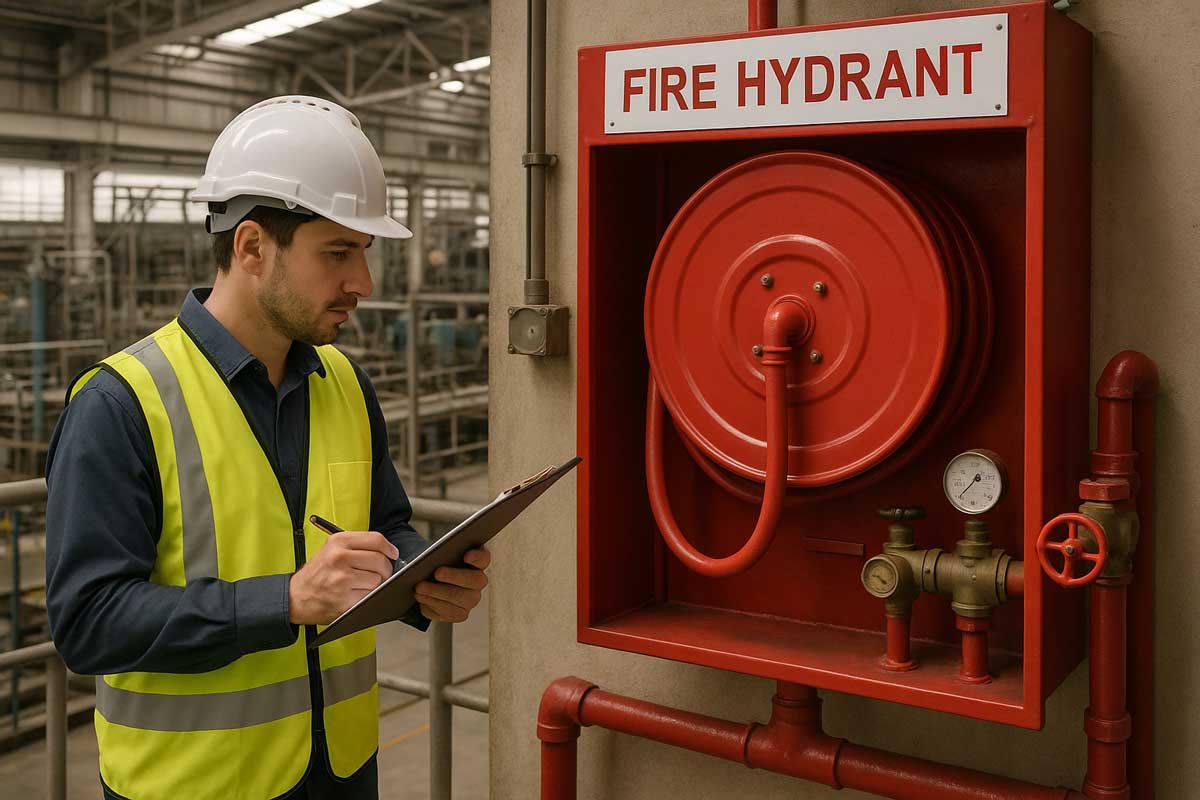
In a manufacturing plant, fire risk is part of daily operations. Electrical systems run continuously, machines generate heat, fuels and chemicals are stored on-site, and large workforces operate across shifts. When fire safety is not reviewed systematically, small gaps can quietly turn into major incidents. A fire safety audit helps uncover these gaps before they result in injury, shutdown, or financial loss.
A well-conducted audit is not just a statutory formality. It is a practical examination of how prepared a plant really is to prevent, control, and respond to a fire emergency.
What a Fire Safety Audit Means for Manufacturing Plants
A fire safety audit is a structured assessment of fire hazards, fire protection systems, and emergency preparedness across the plant. It checks compliance with fire authority approvals, factory regulations, and insurance conditions, while also identifying real operational risks that may not be visible in routine inspections.
For manufacturing plants, the audit focuses on production processes, utilities, electrical infrastructure, and material storage, where fire risk is usually highest.
Defining the Scope of the Audit
The audit begins by clearly defining its coverage. In a manufacturing plant, this typically includes production areas, warehouses, electrical rooms, utility blocks, fuel storage zones, and administrative spaces. Each area is reviewed based on its function, fire load, and occupancy.
At the same time, applicable standards are identified. These usually include National Building Code provisions, local fire authority requirements, Factory Act obligations, and specific conditions mentioned in insurance policies. This step ensures the audit remains relevant to the plant’s operations rather than following a generic checklist.
Reviewing Fire Safety Documents
Before entering the plant floor, auditors review key fire safety documents. This includes approved fire NOC drawings, layout plans showing exits and fire equipment, fire detection and alarm system schematics, and firefighting system layouts such as hydrants, sprinklers, or foam systems.
Maintenance records, inspection logs, and fire drill reports are also examined. This document review often reveals a common issue in manufacturing plants: systems approved during construction may not fully match current site conditions after expansions or process changes.
Identifying Fire Hazards on Site
A detailed walkthrough of the plant is conducted to identify fire hazards in real operating conditions. Auditors examine how flammable materials and chemicals are stored and handled, how hot work activities like welding are controlled, and how dust or combustible waste is managed.
Special attention is given to electrical panels, cable trays, and utility areas where ignition sources are common. Each hazard is assessed based on the likelihood of fire and the severity of its potential impact, allowing risks to be prioritized logically.
Assessing Passive Fire Protection
Passive fire protection plays a key role in limiting fire spread. During the audit, fire-rated walls, partitions, and doors are inspected to ensure they are intact and functional. Cable and pipe penetrations are checked for proper fire sealing, especially in electrical and utility rooms.
Fire-resistant coatings on steel structures and compartmentation between high-risk and low-risk zones are also reviewed. In many manufacturing plants, missing fire seals or damaged fire doors are found to be silent but serious weaknesses.
Inspecting Active Fire Protection Systems
Active fire protection systems are evaluated for adequacy and readiness. Fire detection and alarm systems are checked to confirm that smoke, heat, or flame detectors are correctly placed and operational. Manual call points, sounders, control panels, and battery backups are also examined.
Firefighting systems such as hydrants, hose reels, sprinklers, deluge systems, and foam systems are inspected to ensure they match the plant’s fire risk profile. Portable fire extinguishers are reviewed for correct type, quantity, accessibility, and maintenance condition.
Reviewing Means of Escape and Evacuation
Life safety is a central focus of the audit. Exit routes are checked for adequate number, width, and travel distance. Emergency lighting and exit signage are reviewed to ensure visibility during power failure or smoke conditions.
Staircases, doors, and external escape paths are examined for obstructions, while assembly points are verified for clarity and accessibility. Blocked exits and poor signage remain among the most frequent and dangerous findings in manufacturing facilities.
Electrical Fire Safety Evaluation
Electrical systems are one of the leading sources of industrial fires. The audit checks panel housekeeping, clearance, and labeling, along with signs of overloading or loose connections. Cable condition, routing, and termination quality are reviewed carefully.
Earthing and bonding arrangements are examined, and the separation of electrical rooms from high-risk areas is verified. This step is often aligned with electrical safety audits to strengthen overall fire prevention.
Emergency Preparedness and Training
Even the best systems depend on trained people. The audit reviews the plant’s fire and emergency response plan, the structure of emergency response teams, and the frequency and effectiveness of mock drills.
Training records for employees and contractors are checked, along with the availability of basic fire response PPE. Mock drills often reveal communication delays and coordination gaps that written procedures fail to capture.
Audit Reporting and Action Planning
The final audit report documents observations with photographic evidence and categorizes risks as high, medium, or low. Practical recommendations are provided with clear priorities, helping management plan corrective actions in phases.
The focus is not just on compliance, but on reducing real fire risk and improving preparedness across the plant.
How Wire Consultancy Supports Manufacturing Plants
Wire Consultancy supports manufacturing plants strictly as an independent professional consultant. The firm does not carry out installation or maintenance work, which ensures unbiased audits and objective recommendations.
Wire Consultancy’s role includes conducting detailed fire safety audits tailored to manufacturing operations, identifying high-risk process and utility areas, and reviewing compliance with NBC, factory regulations, and fire authority conditions. The consultancy also supports fire NOC renewals, insurance audits, and integration of fire safety findings with electrical and safety studies.
This advisory-led approach helps manufacturing plants move beyond reactive compliance and build a stronger, risk-based fire safety framework.